Recognize your patterns
Notice the habits and internal resistance that influence your posture.

Awareness · Ease · Connection
Alexander Technique lessons in Des Moines and Central Iowa with Jay Foote help students become more present, reduce unnecessary tension, and discover more natural ways of moving.
Explore lessons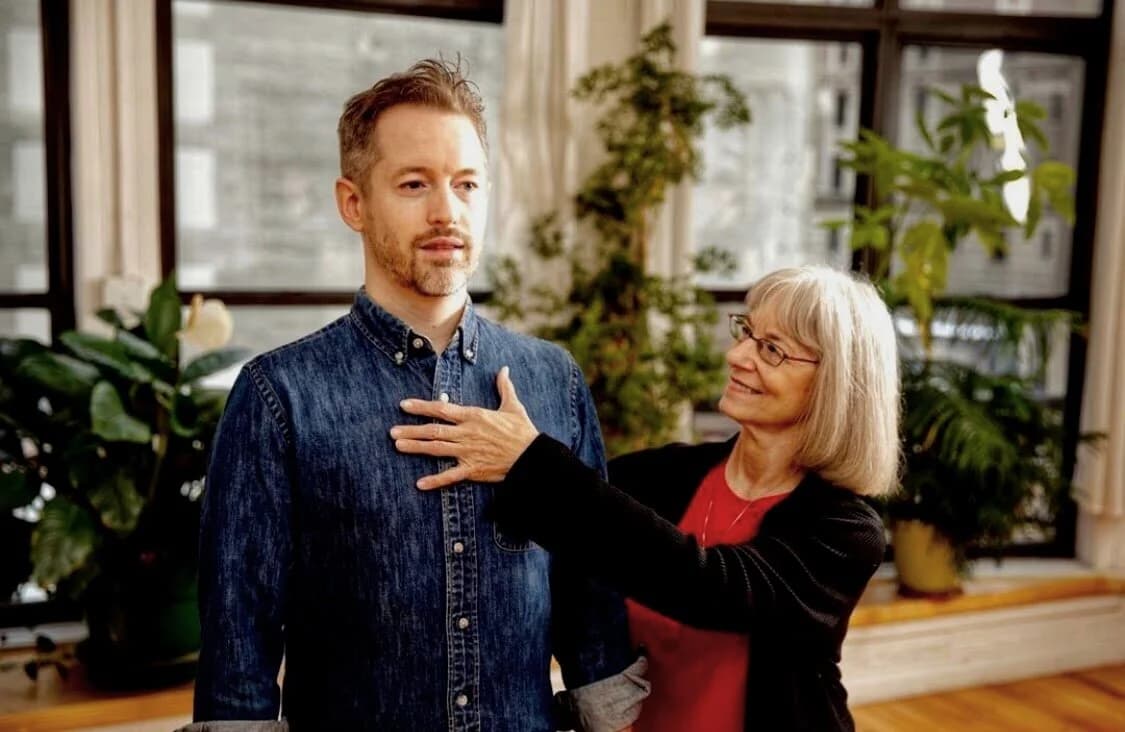
Move with greater ease, explore less unnecessary tension and discomfort, and understand the habits that shape how you think, move, sing, dance, and walk.
The Alexander Technique is a practical process for becoming more present and aware of how you move. Through guided observation and experimentation, students discover more balanced ways to move and rest—supporting better posture, greater fluidity, and less unnecessary tension.
Notice the habits and internal resistance that influence your posture.
Explore how the way you think affects how you move and feel.
Experiment with more efficient choices during everyday activity.
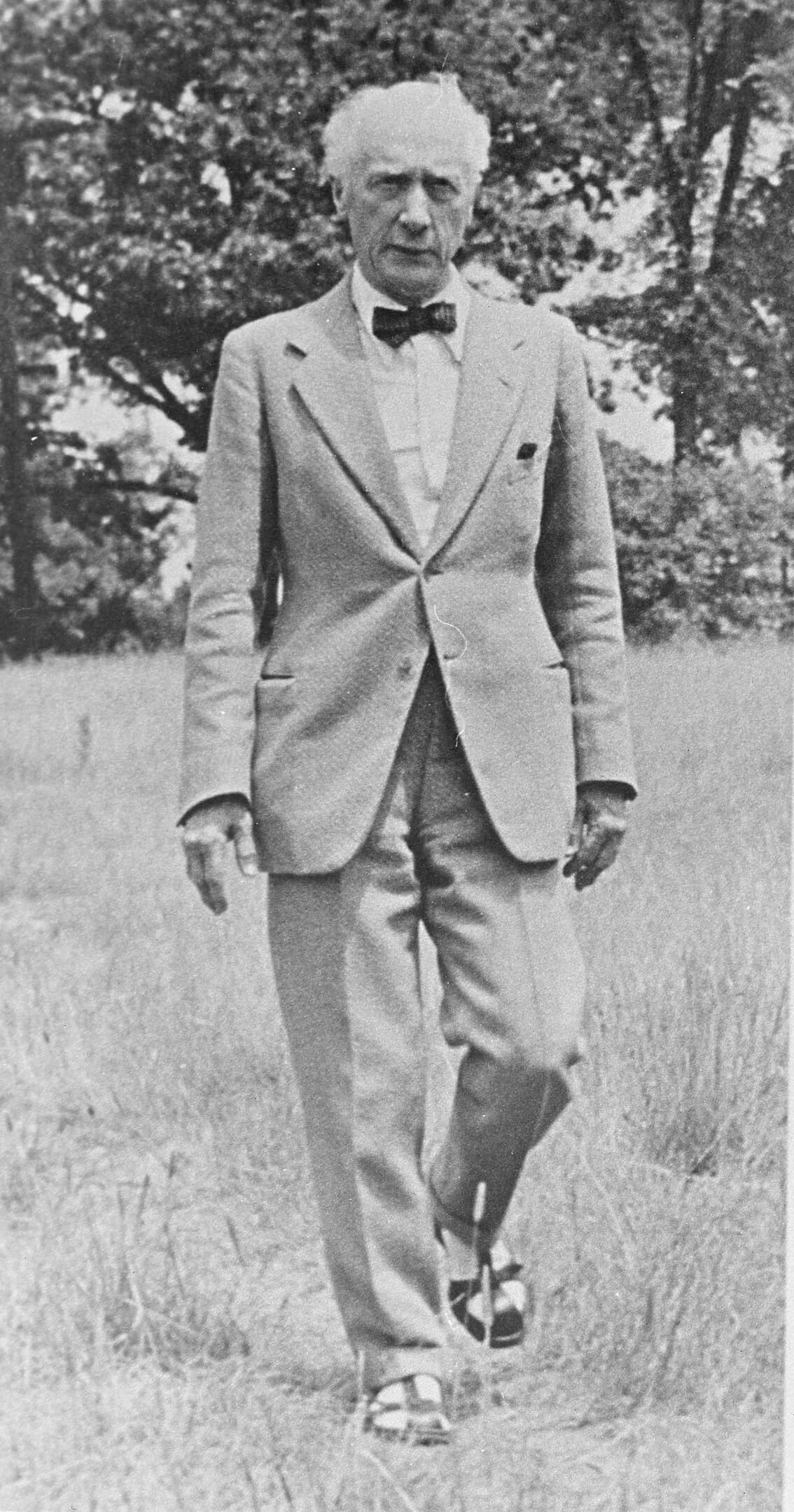
“You translate everything, whether physical, mental or spiritual, into muscular tension.”
— F. M. Alexander
What is the Alexander Technique?
Alexander Technique is an awareness-building process that cultivates an internal flow by creating space to integrate body and mind by studying "the how" of any activity.
The Alexander Technique is a practice that seeks balance, flow, and coordination in mind and body. Increased awareness creates an opportunity for choice. With practice, intentional choices can gradually make unfamiliar ways of thinking and moving feel more available. This can support greater ease and connection in daily activity.
Interactive interconnected definitions
Move through the dots and select one to read its definition and discover its connections.
Jay Foote (M.M., M.AmSAT) is an Alexander Technique teacher, musician, and mental health therapist based in Des Moines. Certified in 2013, he spent seven years teaching and assisting with teacher training at New York City’s Balance Arts Center and served on the AmSAT Board of Directors. His teaching helps students develop awareness, move with greater ease, and approach performance and daily activity with greater awareness and choice.
Alexander Technique lessons offered through Alexander Technique Des Moines are educational and are separate from psychotherapy services offered through Seva Counseling. Alexander Technique lessons are not psychotherapy, medical care, physical therapy, or a substitute for diagnosis or treatment by a qualified healthcare professional.
Read the full biographyWhat do lessons look like?
Lessons are 60 minutes in length.
The lesson begins with a check-in about what has been happening in the mind/body with the student sitting in a chair. We talk about what brought you to the Alexander Technique, what has changed recently, and what you noticed in your body in the past week.
The student can choose an activity or an activity will be suggested by the teacher. We will slow down to allow more time to become aware of how you initiate, embody, and/or complete the action. You may notice extra tension in parts, passivity in other places, or become aware of an unconscious understanding of how the body evolved to move. Using the new understanding, the student advances to another activity to apply what was learned.
The lesson typically ends with the student lying face-up on a massage table, and the teacher invites the student to release into connection. After gently inviting the student to allow a little more length, width, and depth in their whole body and doing a little less holding, the teacher invited the student to check in with how they feel. After the table work, the lesson ends with a summary of what was covered, addresses any additional questions, and formulates a plan (or homework) to continue cultivating more awareness of how we move, think, or feel.
Classes provide general information about the body and how it moves efficiently. Each workshop is unique to the individual group and their interests.
Everyone in the group will have an experience of the Alexander Technique principles. A few individuals may receive a mini-lesson with direct contact with verbal feedback.
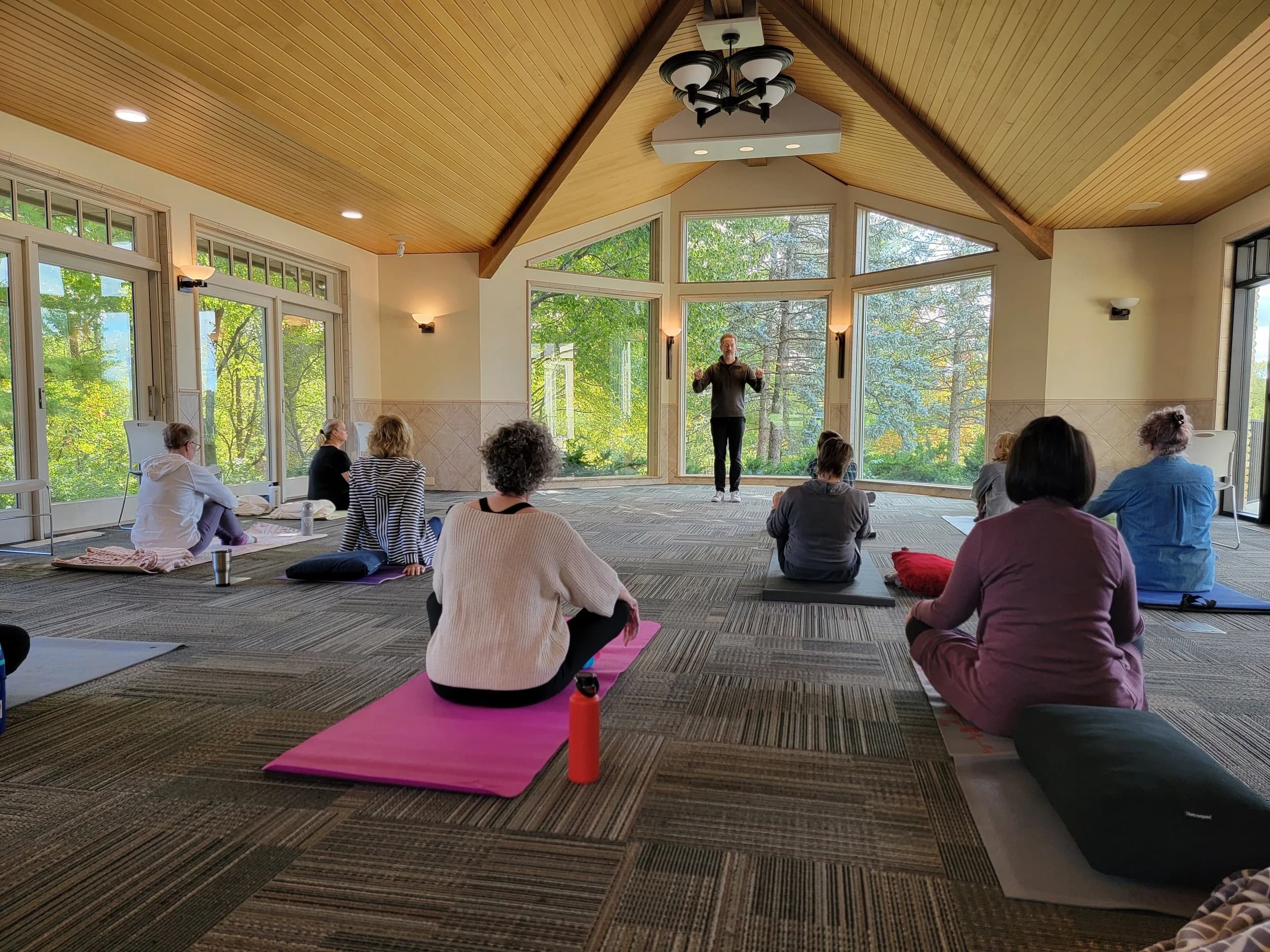
Alexander Technique lesson or workshop 1
Use the arrows, swipe, or press the left and right arrow keys.
“I KNOW Jay Foote is an incredible bassist, but I CHERISH Jay Foote because he has made it possible for me to keep playing the bass. (He) has an ineffable gift and that, accompanied by his dedication to music, makes him a very special healer.”
Use the arrows, swipe, or press the left and right arrow keys.
